
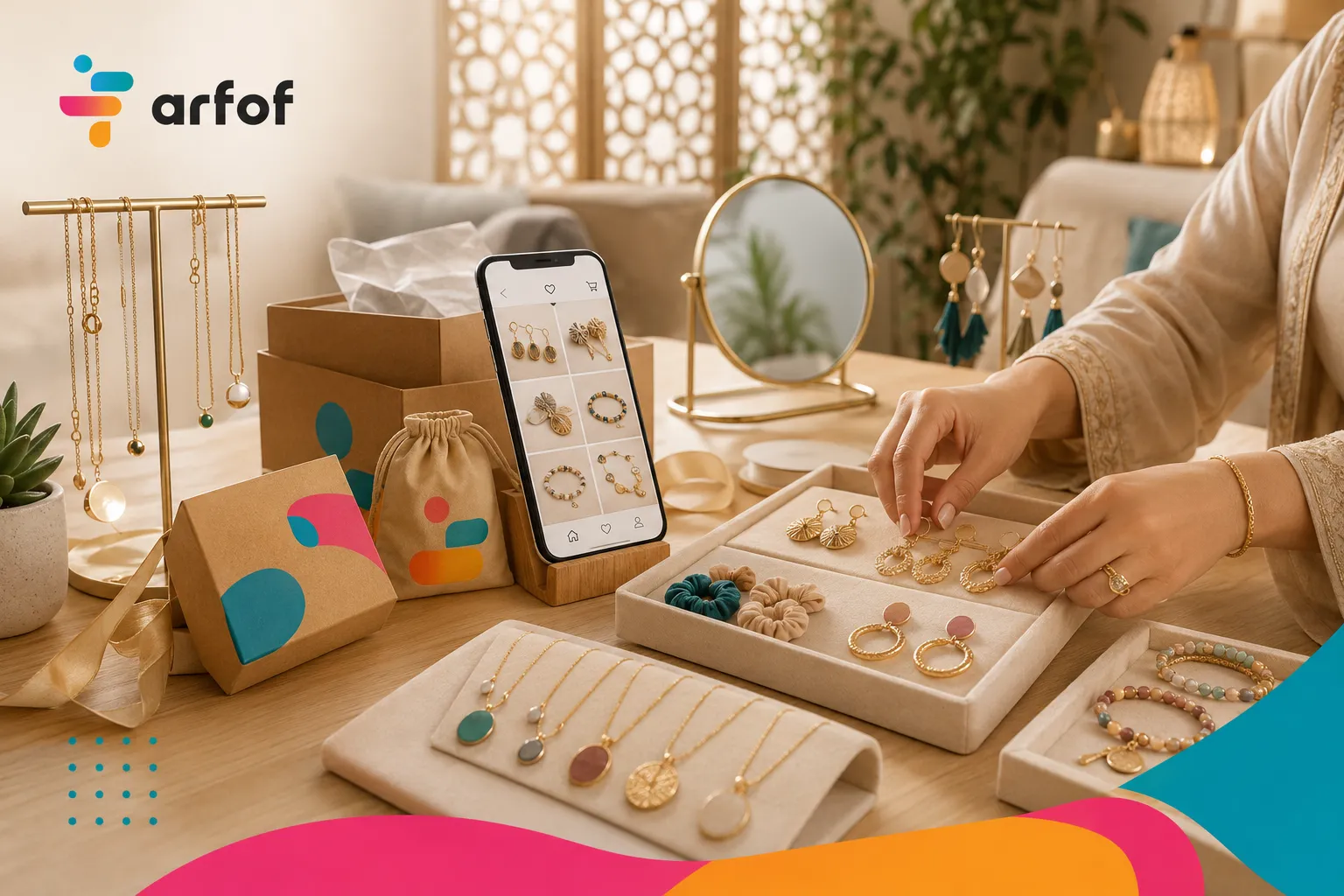
The world of entrepreneurship is full of exciting opportunities, and the home-based business model is a popular choice for aspiring entrepreneurs. It offers flexibility, lower overhead costs, and the chance to be your own boss. If you have always had a passion for fashion and a creative streak, consider venturing into the world of accessories.
Why Accessories? A Lucrative Niche
Accessories offer a compelling entry point into the fashion industry. They represent a relatively smaller investment for customers compared to clothing, which allows for more frequent purchases and trend exploration. The sheer variety of accessories — from statement necklaces to delicate bracelets to practical phone cases — caters to diverse tastes and styles. The home-based model also lets you focus on a niche, whether that’s handcrafted jewelry made with sustainable materials, quirky phone accessories with pop-culture references, or bold headwear inspired by vintage styles.
Finding Your Spark: Niche Discovery and Market Research
Before diving in, take time for self-discovery. What kind of accessories ignite your creative fire? Do you gravitate toward elegant minimalism or bohemian flair? Once you identify your interests, dig into market research. Explore online marketplaces like Etsy and independent fashion boutiques to understand current trends and spot gaps in the market. Look for inspiration in fashion magazines and on social media, observing popular styles and color palettes. This research will help you refine your niche and make sure your products resonate with potential customers.
Sourcing Your Materials: Quality and Sustainability
Finding reliable suppliers is essential. Research wholesale distributors who offer high-quality materials at competitive prices, and explore online directories and trade shows to discover potential partners. Consider building sustainable practices into your brand identity by sourcing materials like recycled metals, organic fabrics, and ethically sourced gemstones — a strong draw for eco-conscious customers.
Designing with Distinction: Balancing Uniqueness and Trends
Now comes the fun part: designing your accessories. Develop a signature style that reflects your vision while keeping an eye on current trends. Experiment with different materials, textures, and colors to create unique pieces, drawing inspiration from historical periods, art movements, or nature. Just don’t neglect wearability — your designs should be comfortable, functional, and easy to pair with different outfits.
Your Home Studio: A Hub for Creativity and Efficiency
Designate a dedicated workspace within your home with good lighting and ample storage for materials and tools. Invest in essential equipment like pliers, wire cutters, beading tools, and a sewing machine if your accessories involve fabric. You might also consider organizing workshops or collaborating with local artisans on specific pieces.
Building a Brand Identity: Name, Logo, and More
Give your business a memorable name that captures its essence, and develop a logo that is visually appealing and reflects your design aesthetic. Consistency is key — use your chosen name and logo across your website, social media platforms, and any packaging materials.
The Power of the Web: Creating an Online Presence
An attractive website is your virtual storefront. User-friendly platforms like arfof.net make it easy to build a website that showcases your products with high-quality photos and detailed descriptions. Use social platforms like TikTok and Snapchat to connect with your target audience — share captivating photos of your accessories, offer styling tips, and engage with potential customers through comments and messages.
Marketing Masterclass: Crafting a Winning Strategy
Identify your target audience: who are you designing for? Once you know your ideal customer, tailor your marketing strategy accordingly. Create engaging content that showcases your brand’s personality, and use content marketing — blog posts, social media stories, and short video tutorials — to educate and inspire your audience. Implementing SEO (search engine optimization) strategies can improve your website’s ranking in search results, and Arfof can help you put them into practice.
Pricing Power: Striking the Right Balance
Understanding your costs is crucial for setting the right price for your products. Factor in material costs, labor hours, and operational expenses. Research competitor pricing and settle on a price point that reflects the value of your handmade, unique accessories. Don’t be afraid to offer introductory discounts or bundled deals to attract new customers.
Inventory Management: Balancing Supply and Demand
Consider a pre-order system for some designs, which lets you gauge customer interest before mass production. This helps minimize the risk of overstocking and ensures you have enough of your most popular items on hand. Arfof’s inventory management software can help you track stock levels and reorder points for essential materials.
Presentation Matters: Packaging that Delights
Packaging plays a vital role in the customer experience. Choose attractive, sustainable packaging materials that reflect your brand identity — recycled paper or fabric pouches add an eco-friendly touch. Make sure packaging is secure enough to protect your products during shipping, so you avoid damage and keep customers satisfied.
Delivering Happiness: Reliable Shipping and Options
Partner with a reliable shipping carrier that offers competitive rates and efficient delivery times, like arfof.net. Explore offering multiple shipping options to suit different customer preferences, and clearly display shipping costs and estimated delivery times on your website.
Bonus Tips for Aspiring Accessory Entrepreneurs
- Stay Updated: fashion trends evolve rapidly, so attend trade shows regularly, subscribe to industry publications, and follow fashion influencers to stay ahead of the curve.
- Invest in Yourself: take online courses or workshops to hone your design and crafting skills. New techniques can elevate your product quality and expand your creative range.
- Build an Email List: encourage website visitors to subscribe, creating a direct marketing channel to keep customers informed about new launches, promotions, and special offers.
- Embrace Storytelling: share the story behind your brand, your design inspiration, sourcing practices, and the values that drive your business, to build deeper customer connections.